There's a symptom of perimenopause that affects up to 84% of women — and yet it remains one of the least discussed, least acknowledged, and most quietly suffered-through experiences in midlife. It gets whispered about between close friends, if it gets mentioned at all. For many women, it doesn't get talked about at all.
It's vaginal dryness, intimate discomfort, and the complex web of physical and emotional changes that falling oestrogen causes in the tissues, nerves, and pH balance of your intimate anatomy. If you've noticed that intimacy has become uncomfortable — or even painful — if you're experiencing unusual dryness, recurrent irritation, or a sensitivity you simply never had before, I want you to know something important:
Today, we're going there — fully, gently, and without embarrassment. Because you deserve the full picture.

GSM (Genitourinary Syndrome of Menopause) is one of the most common yet least treated symptoms of perimenopause.
What Is Genitourinary Syndrome of Menopause (GSM)?
Genitourinary Syndrome of Menopause — or GSM — is the medical term for the collection of symptoms affecting the vagina, bladder, and urinary tract that arise from declining oestrogen levels. It was previously called "vulvovaginal atrophy," but GSM is a more accurate name because it captures how wide-ranging the effects truly are.
It affects women during perimenopause (the transitional years before periods stop), menopause (12 months after the last period), and postmenopause. But here's what surprises many women: GSM can begin in your early-to-mid 40s — long before you'd consider yourself "in menopause."
This matters enormously. The earlier you understand what's happening and why, the earlier you can take gentle, proactive steps to protect your intimate health and your quality of life.
What's Actually Happening in Your Body
Oestrogen is not just a reproductive hormone. It is a tissue-maintaining hormone — and your vaginal and vulvar tissues are densely packed with oestrogen receptors. When oestrogen levels fall during perimenopause, these tissues respond at a cellular level.
The Oestrogen–Collagen Connection
Oestrogen actively stimulates the production of collagen and elastin in vaginal walls. It maintains the thickness, elasticity, and lubrication of vaginal tissue. As oestrogen declines, collagen production slows, and the vaginal epithelium (the lining) begins to thin — a process known medically as vaginal atrophy.
The pH Shift
Healthy vaginal flora — dominated by Lactobacillus bacteria — depends on an acidic pH (typically between 3.8 and 4.5) that oestrogen helps maintain. As oestrogen falls, vaginal pH rises, making the environment less hospitable to protective bacteria and more vulnerable to opportunistic organisms. This is why perimenopausal women often experience an increase in bacterial vaginosis, yeast infections, and UTIs.
Reduced Lubrication
Oestrogen supports blood flow to the vaginal walls, which is essential for natural lubrication both at rest and during arousal. Declining oestrogen reduces this blood flow, leading to dryness and a significant reduction in arousal response.
Nerve Sensitivity Changes
Thinned, less elastic tissue becomes hypersensitive to friction. What was once pleasurable becomes uncomfortable. This is not a psychological change — it is a direct physiological consequence of reduced tissue integrity.
What the Research Actually Says
The science here is unusually clear and consistent — GSM is well-studied and well-documented. Here's what the evidence shows:
- A 2019 study in the journal Menopause found that up to 84% of postmenopausal women experience at least one symptom of GSM — yet fewer than 25% seek or receive treatment.
- Unlike hot flushes and night sweats (which often ease naturally over time), GSM symptoms tend to worsen progressively without intervention.
- Vaginal pH has been shown in multiple studies to be a reliable marker of oestrogen status — rising significantly during the perimenopause transition.
- Non-hormonal vaginal moisturisers applied regularly have been shown in clinical trials to significantly improve tissue hydration, pH balance, and comfort — often matching the efficacy of low-dose topical oestrogen for mild-to-moderate symptoms.
- Probiotics containing Lactobacillus strains have shown promise in restoring healthy vaginal flora and reducing infection recurrence in perimenopausal women.
What You Can Actually Do About It
The good news — and there is genuinely good news here — is that GSM is one of the most treatable aspects of perimenopause. Let's walk through your options.
Vaginal Moisturisers — Use Daily, Not Just for Intimacy
This is the most important distinction most women miss: vaginal moisturisers are not the same as lubricants. Moisturisers are designed for daily or every-other-day use to restore baseline hydration to vaginal tissue. Lubricants are for use during intimacy specifically.
I've been researching clean-formulated, gynaecologist-approved intimate wellness products for this community, and Femallay's intimate wellness range stands out for their use of natural, hormone-free botanicals formulated specifically for perimenopausal women. Their suppositories and moisturisers work with your body's pH rather than against it — and the 90-day return window means you can genuinely try before you commit.
Vaginal Probiotics
Supporting your vaginal microbiome from within is a powerful and underutilised strategy. Look for oral probiotics with clinically studied Lactobacillus strains — particularly L. rhamnosus and L. reuteri — which have been shown to colonise the vaginal canal and support healthy pH balance from within.
Lubricants for Intimacy
Choose water-based or silicone-based lubricants free from glycerine, parabens, and fragrances — all of which can disrupt pH and cause irritation in already-sensitised tissue.
Diet and Phytoestrogens
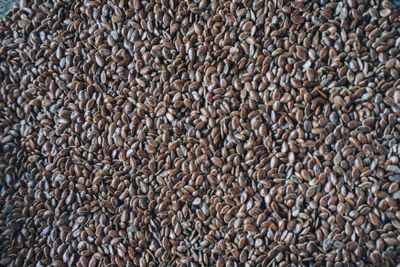
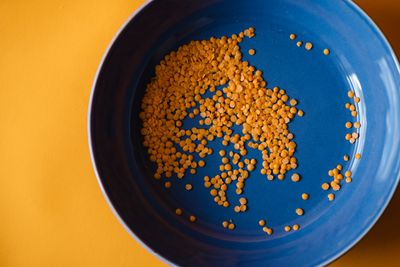
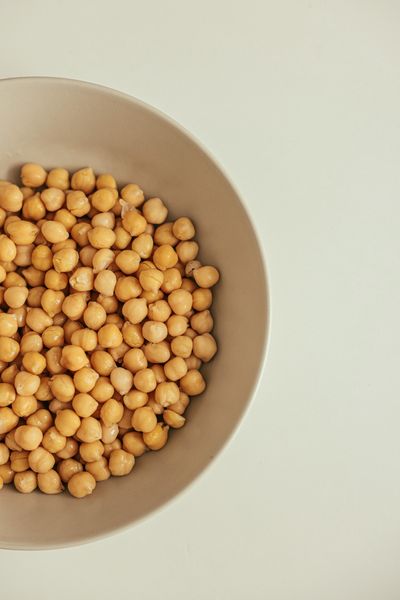
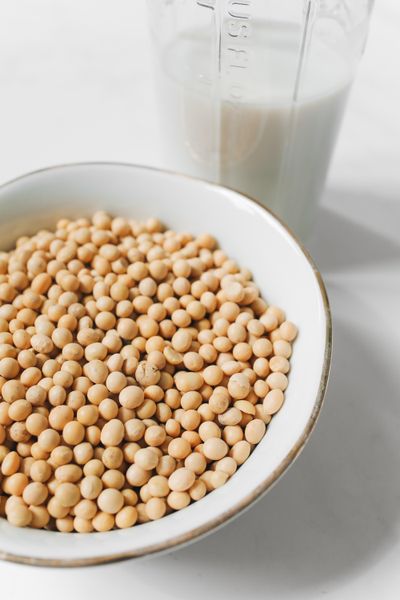
Foods rich in phytoestrogens — flaxseeds, organic soy, lentils, chickpeas, and sesame seeds — offer mild oestrogenic activity that can support tissue health from the inside out. This isn't a cure, but it is meaningful nutritional support.
Stay Sexually Active — In Whatever Form Works for You
Regular arousal and orgasm maintain blood flow to vaginal tissues, which in turn supports natural lubrication and tissue elasticity. Solo intimacy counts. Connection counts. Rest counts too.
📷 Photos: Pexels (free licence)
Phytoestrogen-rich foods offer gentle oestrogenic support — a meaningful nutritional strategy alongside topical care.
Who This Is For — And Who Should Seek Extra Support
- You're in your 40s or 50s and noticing vaginal dryness or intimate changes
- You experience recurrent UTIs, thrush, or BV without obvious cause
- Intimacy has become uncomfortable or something you avoid
- You want to be proactive before symptoms escalate
- You're looking for natural, hormone-free approaches to start with
- You experience unusual bleeding, particularly after intimacy
- You have a new or unusual discharge with odour that doesn't resolve
- Discomfort is severe and significantly impacts your quality of life
- You're considering topical oestrogen therapy — it's highly effective and deserves a proper conversation
- You have a history of hormone-sensitive conditions
What Women Knew Before Science Caught Up
Long before the term GSM was coined, women across cultures maintained intimate health through plant-based rituals that modern science is only now validating. In Ayurvedic tradition, sesame oil has been used for generations as an intimate moisturiser — a practice that aligns with modern research on sesame's anti-inflammatory, skin-barrier-supporting properties.
In West and East African traditions, shea butter was used as a protective emollient for intimate dryness. In Traditional Chinese Medicine, practitioners worked with dong quai and black cohosh — both known to carry mild phytooestrogenic properties — to ease menopausal transition.
What these traditions understood intuitively, we are now confirming clinically: the body responds beautifully to gentle, natural support.
How Everything Connects
Intimate health in perimenopause doesn't exist in isolation. It's part of a much larger hormonal web — and understanding the connections changes everything:
- High cortisol (stress) suppresses oestrogen further — making stress management a genuine intimate health strategy, not a luxury
- Poor sleep raises cortisol, which compounds oestrogen decline — sleep is medicine
- Gut health affects oestrogen metabolism through the estrobolome — the gut bacteria responsible for recirculating oestrogen. A disrupted gut means less efficient oestrogen use
- Dehydration worsens dryness systemically — hydration is foundational, not optional
- Tight synthetic clothing traps heat and moisture, disrupting pH and irritating already-sensitive tissue
This is why I always work with the whole body — because isolating one symptom without addressing the ecosystem it lives in is like watering one root of a whole plant.
Because This Is About So Much More Than Dryness
Here's what I really want to say, and I hope you'll receive it gently:
Grief for a version of intimacy that felt effortless. Grief for a body that felt familiar. Sometimes shame — as though something is wrong or broken. Sometimes withdrawal — from partners, from connection, from themselves.
Your body is not betraying you. It is signalling. It is asking for support in a language that is unfamiliar but learnable. And once you start responding — with the right tools, the right nutrition, the right care — many women report not just a return to comfort, but a new and deeper relationship with their own bodies.
That is available to you too.
Your Daily Intimate Wellness Protocol
If intimate changes are just one piece of a larger perimenopause picture — if you're also navigating fatigue, brain fog, weight shifts, or mood changes — my Holistic Perimenopause & Menopause Support System was built specifically for this season of your life. It includes the 7-step H.O.R.M.O.N.E Reset Method™ and a structured 30-day programme that helps you support your hormones from the inside out.
Explore the Programme →- Natural remedies for intimate wellness are genuinely helpful for mild-to-moderate GSM — but they are not a substitute for medical care when symptoms are severe.
- Topical (low-dose) vaginal oestrogen is safe, localised, and highly effective. If your symptoms are significantly impacting your life, please discuss this option with your doctor or gynaecologist. You deserve relief.
- If you are on hormonal contraceptives, hormone therapy, or have a history of hormone-sensitive conditions (including certain cancers), always consult your healthcare provider before adding new supplements or topical products.
- Femallay and other intimate wellness products mentioned in this post are designed for general intimate wellness — not for diagnosing or treating medical conditions.
You Deserve to Feel at Home in Your Body — At Every Age
Perimenopause is not a decline. It is a recalibration. And your intimate health is not a footnote to that journey — it is central to your vitality, your relationships, and your sense of self.
The fact that you're here, reading this, asking questions and looking for answers? That is already the most powerful thing you can do. You are not alone in this. And it gets better when you know what to reach for. 🌿